
Introduction
When you buy a brand new computer or upgrade your current computer, you stumble upon many storage options: SSD (Solid State Drive) and HDD (Hard Disk Drive). While each is used to store your work device, programs, games, and documents, they fluctuate significantly in terms of speed, overall performance, robustness, and general user delight .
The biggest question usually for beginners is how fast is an SSD compared to an HDD? The quick fix is that SSDs are significantly faster. But the information about why they are faster and how it affects the standard warranty and allows you to make better purchasing decisions.
This article explains the speed difference between SSD and HDD in a simple way.
What is HDD?
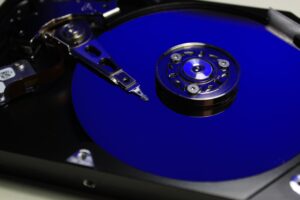
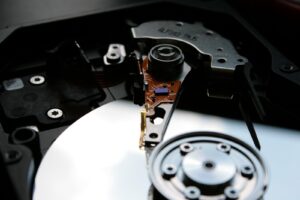
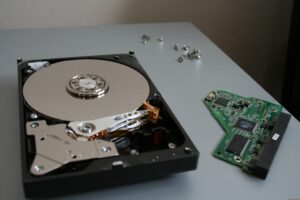
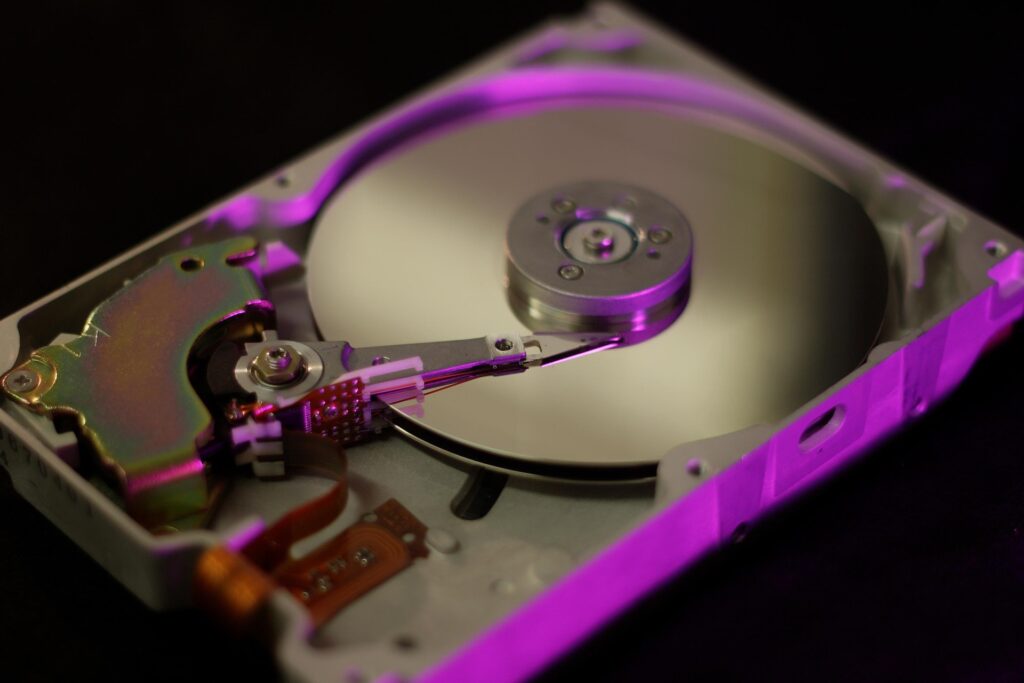
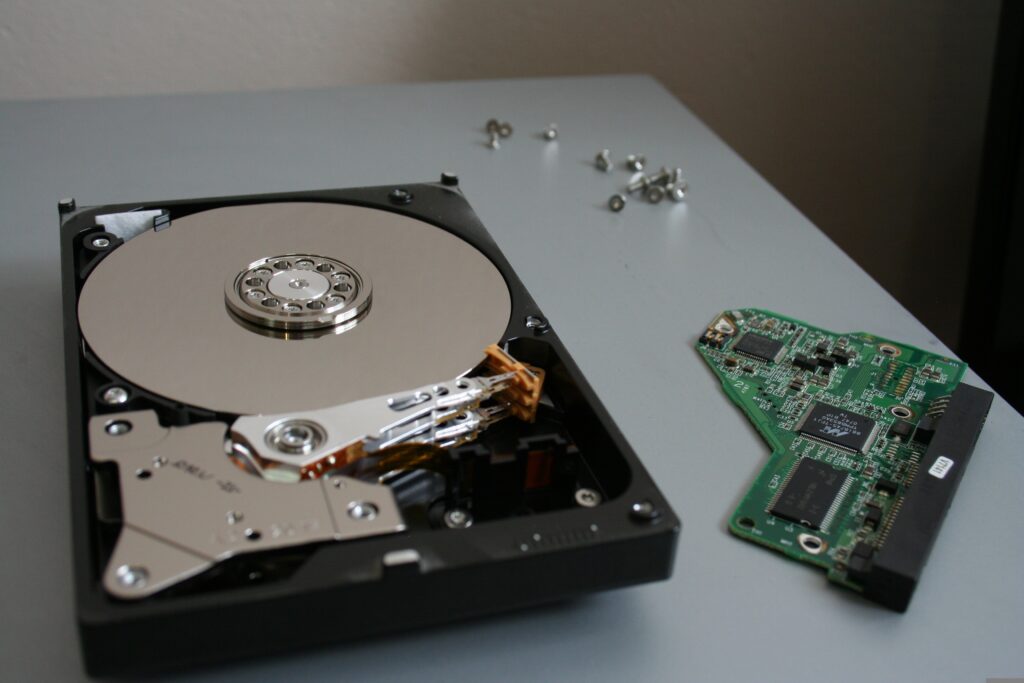
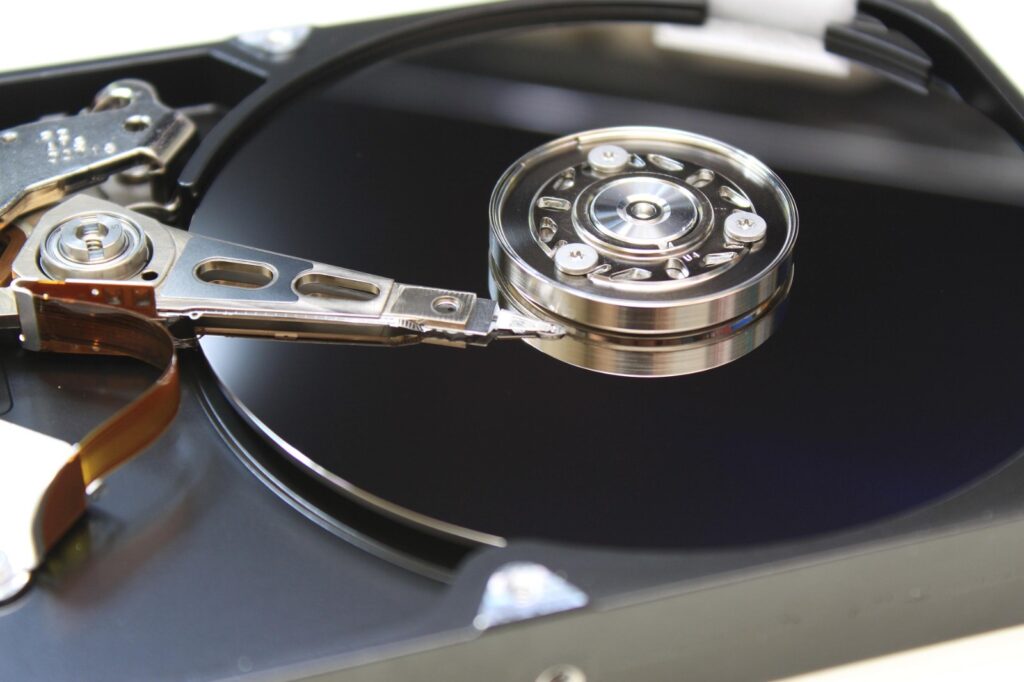
HDD or Hard Disk Drive is a traditional storage device that has been used in computers for many years.
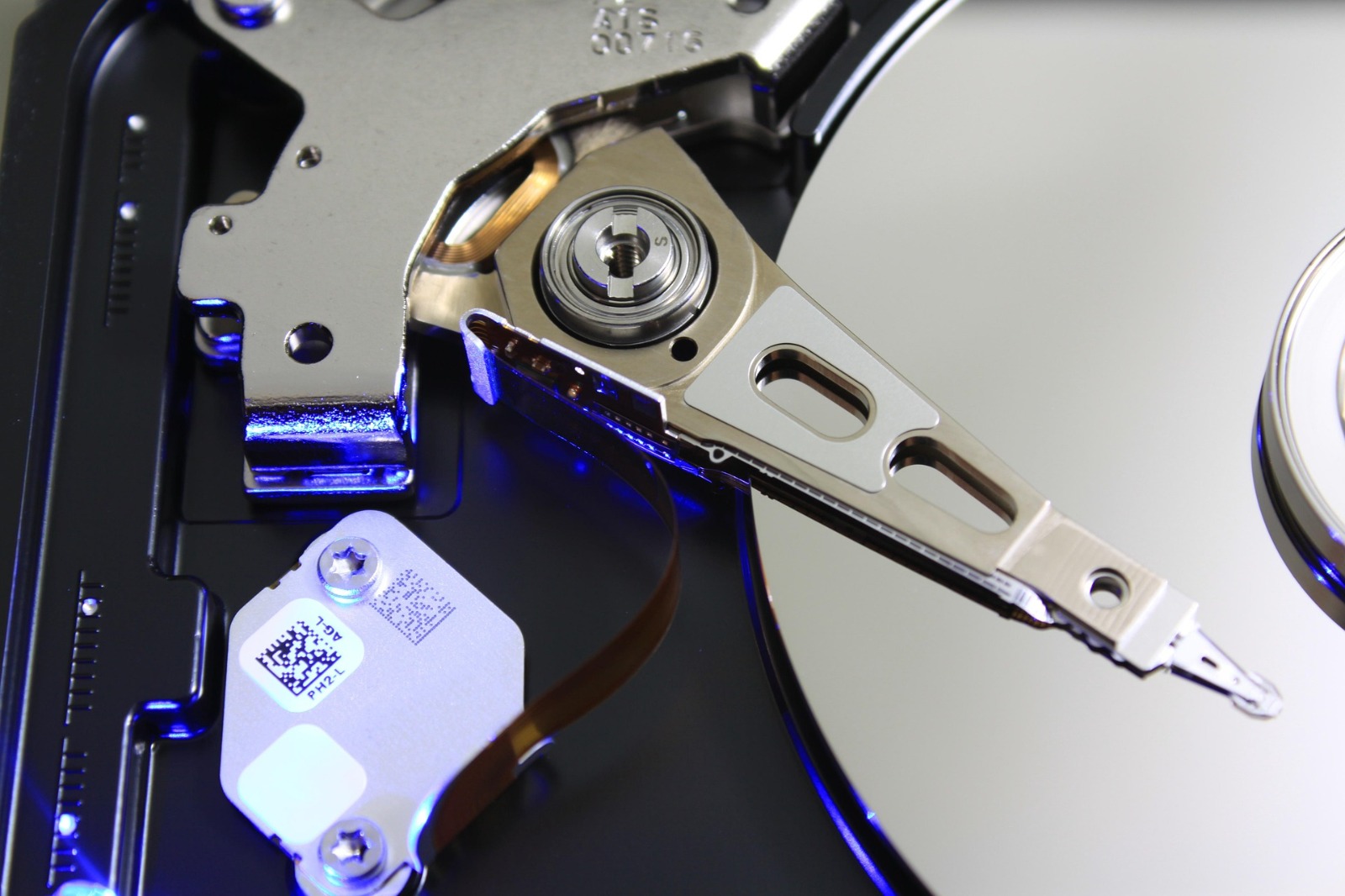
It stores plates on rotating magnetic discs known as platters. An engineer checks/records main activity across these plates to obtain information.
- How HDD Works
- When you open the registry:
- The plates are rotating at high speed.
- The read/write head moves to the appropriate location.
- The records are checked and sent to the laptop.
- This is because access to facts about physical activity takes time.
- Typical HDD Speed
- Most client HDDs work here:
- 5400 rpm (rpm)
- 7200 rpm
- 10,000 rpm (very low)
The faster the disk spins, the faster it can access records.
What is an SSD?
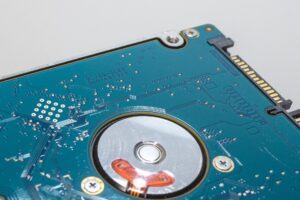
An SSD or Solid State Drive is a modern storage device that uses flash memory chips rather than spinning disks.
- Unlike HDDs, SSDs do not have transfer elements.
- How does an SSD work
- Memory cells store data electronically.
- When you open the document:
- The SSD immediately finds the data.
- The controller downloads it electronically.
- Records deliver almost instantly.
- Because there is no transfer binding, SSDs can access files much faster.
- Why SSDs are faster than HDDs
- The primary motivation for making SSDs faster is the lack of mechanical parts.
- HDD Limitation: Physical Speed
- An HDD should:
- Rotate the disk
- Move the reading head
- Find the appropriate domain .
- Read the statistics
- Each step gives a delay.
- SSD advantage: Instant access
An SSD can access electronically stored files without waiting for mobile components.
This results in:
- Faster boot times
- Fastest Record Move
- Faster loading of software
- Excellent basic responsiveness
- SSD vs HDD Speed Comparison
- Let’s estimate the typical speed.
- Storage Type: Average Read Speed
- HDD (5400 rpm) Eighty-one hundred and twenty MB/s
- HDD (7200 rpm) 120-180 MB/s
- SATA SSD 450-550 MB/s
- NVMe SSD 1500-7000+ MB/s
As you can see, even a basic SATA SSD is many times faster than a traditional HDD.
Modern NVMe SSDs can be dozens of times faster.
- Startup time comparison
- A perfect way to notice the difference is in the startup period.
- HDD boot time
Using a laptop HDD also takes into account:
40–ninety seconds
- longer if many startup packages are in place
- SSD boot time
- The computer uses the SSD to boot frequently:
- For 10–20 seconds
- Maybe a little so
- Real-World Examples
Imagine you turn to your computer.
With an HDD, there should be plenty of time to get a cup of espresso before massing everything.
A laptop with an SSD is usually prepared almost immediately.
Application Loading Speed
- Programs load much faster on SSDs.
- Open Software on HDD
- Applications with:
- The web portal
- Video Editor
- Design the Application
- Desktop Applications
- It may also take a few seconds to release.
- Open Software on SSD
- Similar programs usually open much faster because the SSD can recover documents almost instantly.
- Differences in User Experience
- Instead of waiting for programs to load, you can start working immediately.
- of SSDs over HDDs is that SSDs access data more randomly.
- Random Access Time Comparison
As compared to the sequential access time below, both will take the same time for total file access, but the average random access time when using an SSD will be much lower.
Example:
- – SSD Sequential Access Time: 0.1 ms
- – SSD Random Access Time: 0.1 ms
- – HDD Sequential Access Time: 3.0 ms
- – HDD Random Access Time: 8.0 ms
Find Out How to Choose the Right SSD for You
For more information about SSD vs. HDD, read our article on how to choose the right SSD.
Power Consumption
Battery life matters for laptop users.
HDD Power Usage
HDDs require power to:
- Spin platters
- Move mechanical arms
This increases energy consumption.
SSD Power Usage
SSDs generally consume less power.
Benefits include:
- Longer battery life
- Lower energy usage
- Reduced heat production
Cost Comparison
The main advantage of HDDs is price.
HDD Pricing
HDDs usually offer:
- More storage for less money
- Affordable large capacities
Examples:
- 2TB HDD
- 4TB HDD
- 8TB HDD
These capacities are relatively inexpensive.
SSD Pricing
SSDs cost more per gigabyte.
However, prices have decreased significantly over the years.
Many users now choose SSDs because the speed improvement outweighs the additional cost.
Which SSD Type Is Fastest?
Not all SSDs are identical.
SATA SSD
A SATA SSD connects using the same interface as traditional HDDs.
Typical speeds:
- Around 500 MB/s
This is already much faster than an HDD.
Best For
- General users
- Office work
- Students
- Budget upgrades
The NVMe SSD NVMe SSDs use the PCIe interface. Typical speeds:
Video Editor Professionals dealing with large documents Which HDD should I choose? HDD can also still be an amazing desire if: You need great storage The budget is extraordinarily limited Speed is not always important You basically save pix, movies, or backups Many customers maintain HDDs as secondary storage drives. Which SSD to choose? If you want an SSD is a good wish: Quick start instances Faster software loading Excellent gaming experience Multitasking is strong More responsiveness The overall performance of the computer is good An SSD is the recommended choice for most modern users. Best setup: SSD + HDD combination Many computer systems use both technologies. How does it work? SSD Used for: Windows Applications Frequently used files Sports HDD Used for: The movie Photos Backups Big data This setup combines speed with affordability. Summary of real-world speed differences Assume identical computers: Computer A (HDD) . Boots in 60 seconds Slowly loads programs It takes longer to replicate documents A less responsive standard Computer B (SSD) Boots in 15 seconds opens the software almost immediately Transfers files much faster Feels smooth and responsive Even customers with little technical understanding are often only now becoming aware of the difference.
Conclusion
In conclusion, the speed of SSDs is significantly faster than HHD’s — the hard disk drives use spinning platters and many moving mechanical parts while the solid state drives (SSD) use current technology of flash memory which accesses data very quickly SSD’s outshine HDD’s on all daily tasks whether it be booting up Windows, opening programs, gaming/multitasking or moving files around. An entry-lSATA SSD is many times quicker than an HHD and will be many times quicker than both HHDs and SATA SSDs.
For users looking for great price value in using HDDs as a means to store large amounts of data, they are very cost-effective; however SSD’s provide fair better user experience than HDD’s. If you are a new user in search of the latest computer or an existing user looking to improve performance on an old computer, choosing an SSD should be at the top of your list as one of your best investments to improve overall system performance.